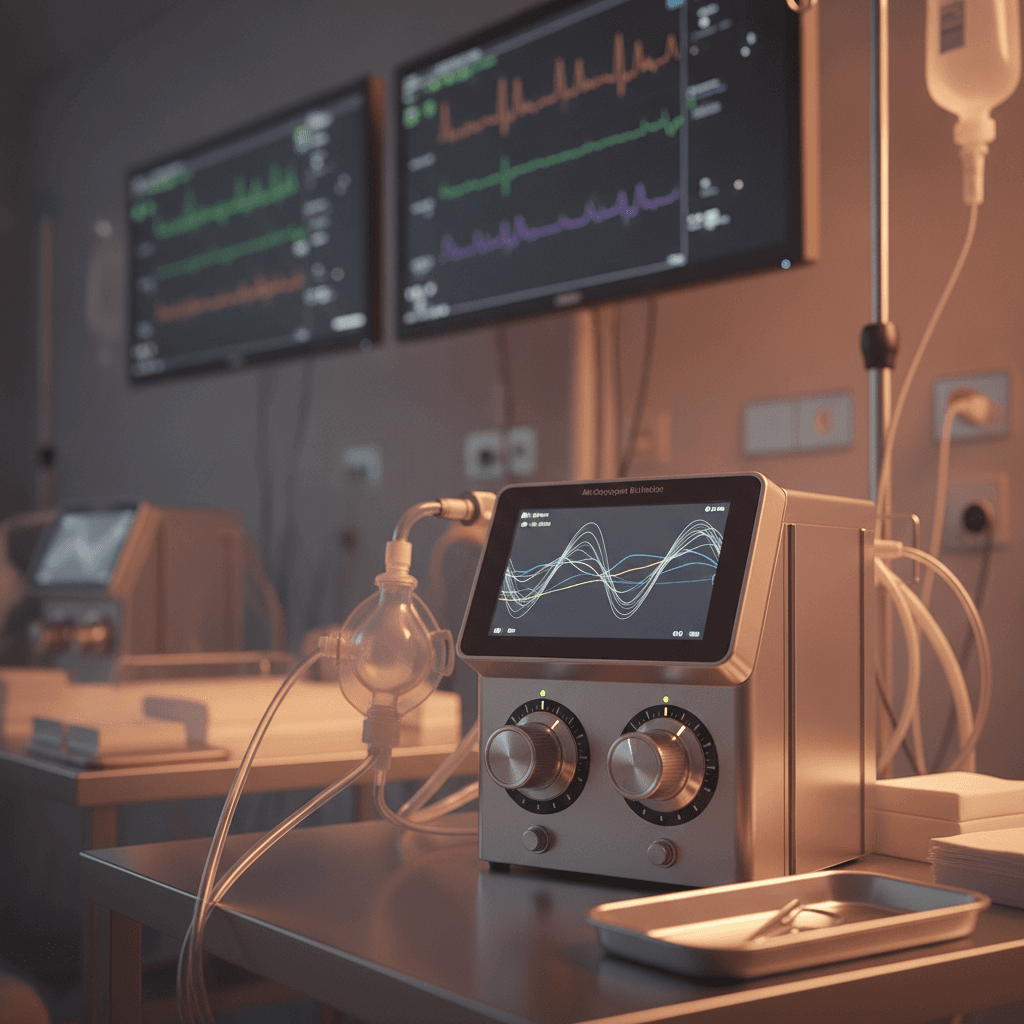
Critical Oxygen Delivery Malfunction Threatens Neonatal Care
The FDA has issued an early safety alert regarding a significant mechanical failure in GE HealthCare's infant resuscitation systems that could compromise oxygen delivery to critically ill newborns. According to the FDA MedWatch Safety Alert, the air-oxygen blender knob shaft on certain integrated and stand-alone resuscitation systems can loosen, directly affecting the delivered oxygen concentration during critical care procedures.
Technical Analysis of the Defect
The reported malfunction centers on the air-oxygen blender mechanism, a critical component that precisely controls the fraction of inspired oxygen (FiO2) delivered to neonates during resuscitation. When the knob shaft loosens, healthcare providers lose reliable control over oxygen concentration, potentially delivering either insufficient or excessive oxygen levels.
This mechanical failure presents several clinical risks:
- Hypoxemia: Inadequate oxygen delivery can lead to tissue hypoxia and organ damage
- Hyperoxemia: Excessive oxygen exposure may cause oxidative stress and retinopathy of prematurity
- Inconsistent therapy: Unpredictable oxygen concentrations compromise standardized treatment protocols
- Provider confusion: Malfunctioning controls may delay appropriate interventions during time-critical situations
Implications for Clinical Research and Practice
This device malfunction has significant implications for both clinical practice and ongoing research involving neonatal care. Similar to recent medical device safety concerns highlighted in the KayserBett IDA Pediatric Bed Recall, this alert underscores the critical importance of robust device reliability in pediatric healthcare settings.
For clinical research professionals, this incident raises several considerations:
Research Protocol Impact
Studies involving neonatal resuscitation or respiratory support may need to:
- Verify device calibration more frequently
- Implement additional oxygen monitoring protocols
- Document device serial numbers and maintenance records
- Consider device-related variables in data analysis
Data Integrity Concerns
Researchers using affected GE HealthCare systems should evaluate whether device malfunctions could have influenced study outcomes, particularly in trials measuring:
- Oxygen saturation targets
- Respiratory outcomes
- Neurodevelopmental endpoints
- Time-to-stabilization metrics
Regulatory Context and Device Oversight
This alert reflects the FDA's commitment to rapid communication of potential device hazards, particularly those affecting vulnerable populations. The early alert system allows healthcare providers to take immediate precautionary measures while the agency conducts a comprehensive investigation.
The timing of this alert is particularly significant given the FDA's recent focus on streamlining safety communications, as evidenced by their updated approaches to medical device oversight. This mirrors the agency's broader regulatory modernization efforts, including recent FDA Draft Guidance on Cell and Gene Therapy Development Pathways.
Immediate Action Items for Clinical Sites
Healthcare facilities and research institutions using GE HealthCare infant resuscitation systems should immediately:
- Inspect equipment: Check all air-oxygen blender knobs for looseness or instability
- Verify calibration: Conduct functional testing of oxygen concentration delivery
- Review protocols: Ensure backup oxygen delivery methods are readily available
- Staff notification: Alert all personnel who operate these devices
- Documentation: Report any suspected malfunctions to both GE HealthCare and FDA MedWatch
Broader Medical Device Safety Trends
This incident joins a series of recent medical device safety alerts that highlight ongoing challenges in ensuring device reliability. Previous alerts, such as the FDA Alert on Abiomed Impella CP Purge Pressure Defects, demonstrate that even established medical device manufacturers face quality control challenges that can impact patient safety.
For the clinical research community, these recurring device issues emphasize the need for:
- Enhanced device monitoring protocols in research settings
- Robust backup systems for critical care equipment
- Clear communication channels between device manufacturers, regulatory agencies, and research sites
Moving Forward: Lessons for Research Excellence
As the healthcare industry increasingly relies on sophisticated medical devices, clinical research professionals must maintain vigilance regarding device-related risks. This incident reinforces the importance of comprehensive risk management strategies that extend beyond traditional clinical considerations to include equipment reliability and maintenance protocols.
Research sites should consider implementing systematic device monitoring programs that can identify potential malfunctions before they compromise patient safety or study integrity. Additionally, closer collaboration with device manufacturers and regulatory agencies can help ensure rapid identification and resolution of emerging safety concerns.
The FDA's prompt communication regarding this GE HealthCare issue demonstrates the value of robust post-market surveillance systems. Clinical research professionals should remain engaged with FDA MedWatch reporting and safety communications to stay informed about potential risks that could impact their studies and patient populations.
Source: FDA MedWatch Safety Alerts - Early Alert: Infant Resuscitation System Issue from GE HealthCare