
Critical Device Alert Impacts Clinical Procedures
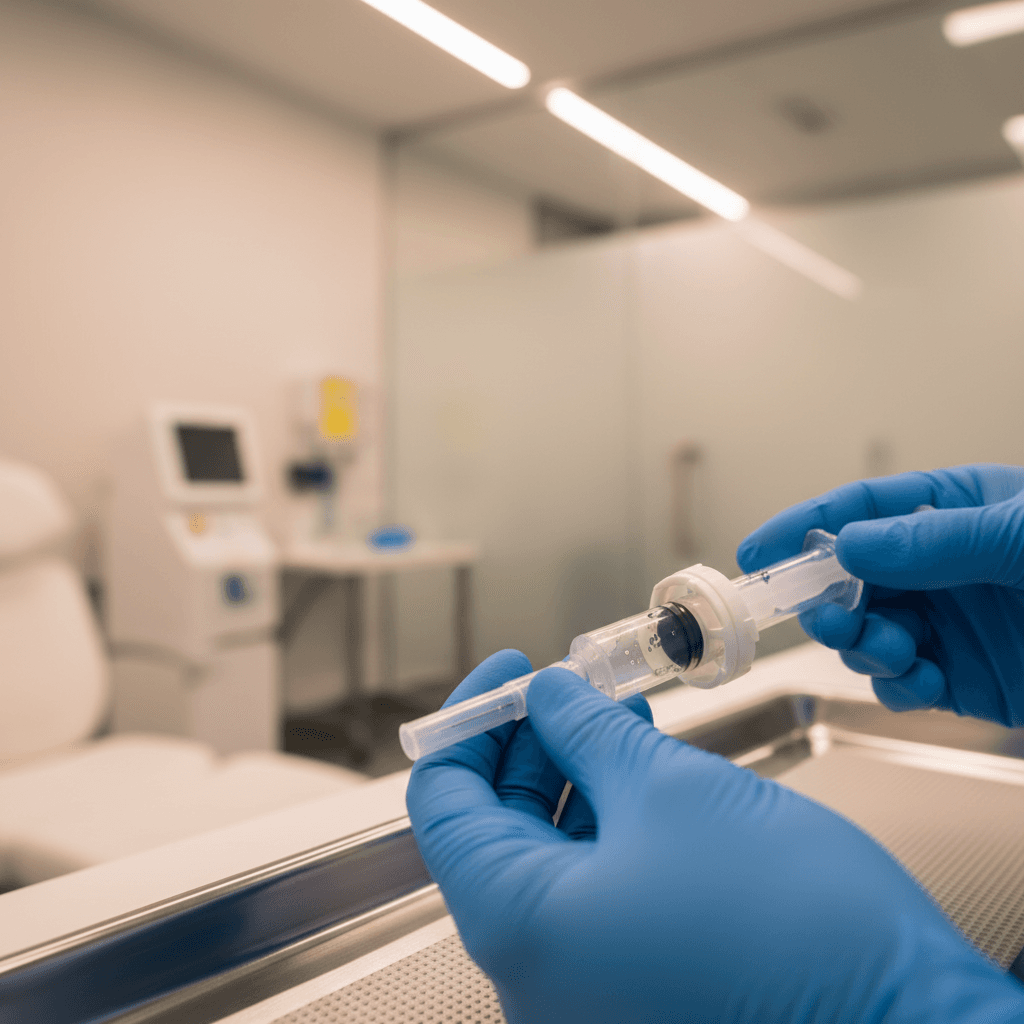
The FDA has issued an early alert regarding a significant safety concern with Namic RA syringes manufactured by American Contract Systems. According to the FDA MedWatch Safety Alert, the adaptor components on these medical devices may unwind during clinical use, potentially creating dangerous disconnections that could lead to serious patient complications including infection, blood loss, or air embolism.
Understanding the Device Failure Mechanism
The reported issue centers on the mechanical integrity of the syringe adaptor connection. During medical procedures, the adaptor may gradually unwind, creating a loose connection or complete disconnection between syringe components. This mechanical failure poses immediate risks to patient safety and procedural integrity.
For clinical research professionals, this type of device failure is particularly concerning as it can compromise:
- Data integrity in studies requiring precise medication delivery
- Patient safety protocols during clinical trial procedures
- Regulatory compliance with Good Clinical Practice (GCP) standards
Clinical Risk Assessment
The FDA has identified three primary safety risks associated with this device failure:
Infection Risk
Loose connections can create pathways for bacterial contamination, particularly problematic in sterile clinical environments. This is especially critical for research sites conducting trials with immunocompromised patients or studies involving invasive procedures.
Blood Loss Complications
Unintended disconnections during blood sampling or intravenous procedures could result in significant blood loss, potentially compromising patient safety and requiring immediate medical intervention.
Air Embolism Danger
Perhaps most critically, loose connections may allow air to enter the circulatory system, creating potentially life-threatening air embolisms. This risk is elevated in procedures involving central venous access or high-pressure injection protocols.
Implications for Clinical Research Sites
This safety alert carries significant implications for clinical research facilities utilizing these devices. Similar to recent device recalls like the Erbe USA Cryoprobe Recall, research sites must immediately assess their inventory and implement appropriate safety measures.
Research coordinators should:
- Conduct immediate inventory checks to identify affected devices
- Review recent procedures where these syringes were utilized
- Implement enhanced monitoring protocols for ongoing studies
- Document all safety measures for regulatory compliance
Regulatory Response and Manufacturer Accountability
The FDA's early alert system represents a proactive approach to medical device safety, allowing healthcare providers and research facilities to take immediate precautionary measures before a formal recall is issued. This regulatory vigilance is crucial for maintaining the integrity of clinical research protocols.
Similar to other recent safety concerns highlighted in cases like the Blaine Labs Wound Care Gel Recall, this alert underscores the importance of robust post-market surveillance systems in protecting patient safety during clinical trials.
Best Practices for Clinical Sites
Given this safety alert, clinical research sites should implement the following protocols:
Immediate Actions
- Quarantine all Namic RA syringes until further guidance
- Notify principal investigators and study teams
- Review adverse event reporting procedures
- Contact device manufacturer for specific lot information
Long-term Considerations
- Enhance device inspection protocols before each use
- Implement redundant safety checks for high-risk procedures
- Update staff training on device-related safety monitoring
- Strengthen vendor qualification processes
Impact on Ongoing Clinical Trials
For research sites conducting active clinical trials, this device alert may necessitate protocol deviations or amendments. Principal investigators must carefully assess whether continued use of these devices could compromise patient safety or study integrity.
The FDA's recent emphasis on ClinicalTrials.gov disclosure requirements extends to safety reporting, making transparent communication about device-related safety concerns essential for regulatory compliance.
Conclusion
The FDA's early alert regarding Namic RA syringe adaptor failures represents a critical safety concern for clinical research professionals. The potential for infection, blood loss, and air embolism requires immediate attention from research sites utilizing these devices.
Clinical research facilities must prioritize patient safety while maintaining study integrity through comprehensive risk assessment and appropriate safety measures. As the medical device landscape continues to evolve, proactive safety monitoring and rapid response to regulatory alerts remain essential components of responsible clinical research conduct.
Source: FDA MedWatch Safety Alerts - Early Alert: Convenience Kit Issue from American Contract Systems