
Compounding Controversy: Lilly's Latest Challenge to Tirzepatide Knockoffs
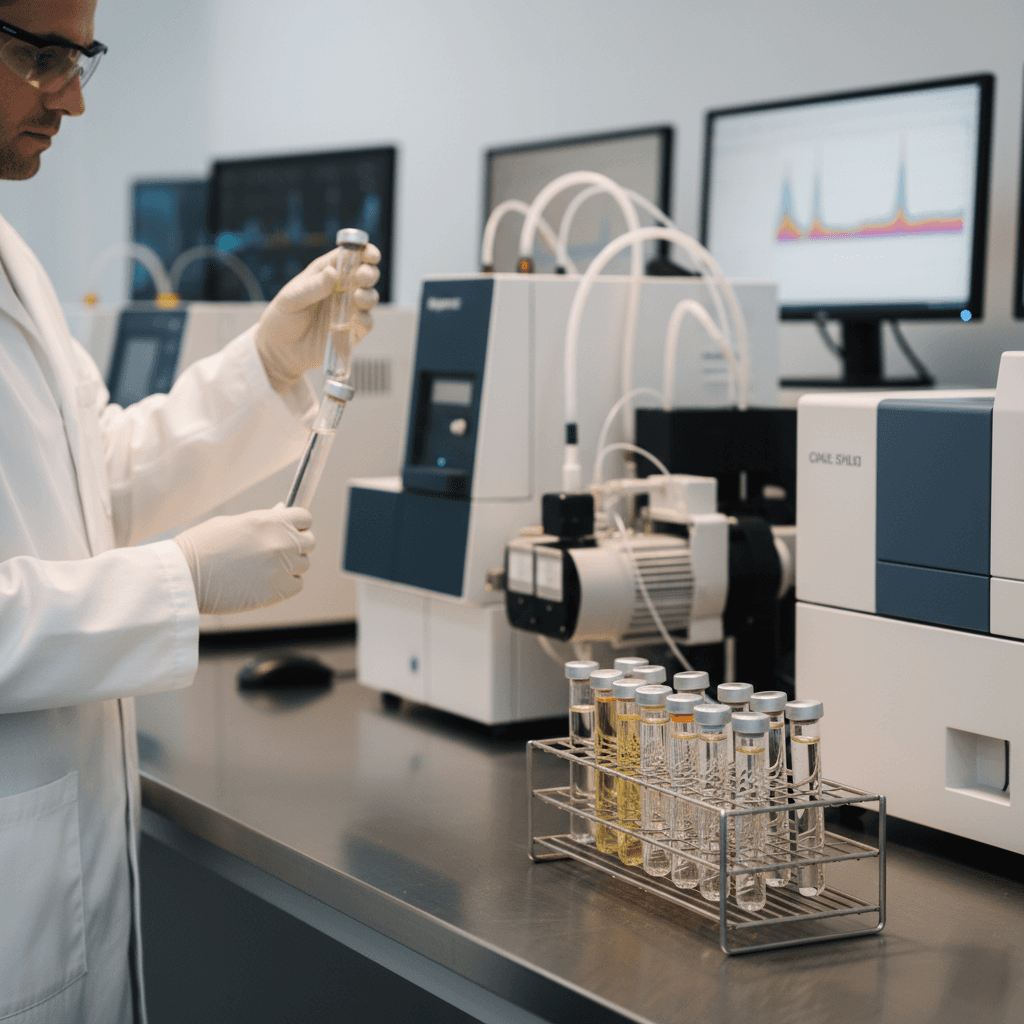
Eli Lilly has intensified its ongoing legal campaign against compounding pharmacies by highlighting significant safety concerns regarding tirzepatide formulations combined with vitamin B12. According to a recent report from Fierce Pharma, the pharmaceutical giant has identified concerning levels of impurities in these compounded versions of its blockbuster diabetes and obesity medications Mounjaro and Zepbound.
The Impurity Problem: Clinical Implications
The discovery of high impurity levels in compounded tirzepatide represents a critical safety concern for clinical research professionals and healthcare providers. Pharmaceutical impurities can arise from various sources during the compounding process, including:
- Raw material contamination
- Inadequate purification processes
- Cross-contamination during manufacturing
- Degradation products from improper storage
- Interaction between tirzepatide and vitamin B12
For clinical researchers, these findings raise important questions about the bioequivalence and safety profile of compounded formulations compared to FDA-approved products. The presence of impurities could potentially alter the pharmacokinetic properties of tirzepatide, affecting both efficacy and safety outcomes in patients.
Vitamin B12 Combination: A Common Compounding Strategy
Compounding pharmacies have increasingly combined tirzepatide with vitamin B12, ostensibly to address potential nutritional deficiencies that may occur with GLP-1 receptor agonist therapy. However, this combination approach has several implications for clinical practice:
Potential Benefits
- May help prevent B12 deficiency in patients with rapid weight loss
- Could improve patient compliance by reducing injection frequency
- Addresses gastrointestinal side effects that might impair B12 absorption
Clinical Concerns
- Lack of stability data for the combined formulation
- Unknown interaction potential between compounds
- Absence of rigorous quality control standards
- Limited pharmacovigilance data
Regulatory Landscape and Quality Control
The FDA's oversight of compounding pharmacies differs significantly from its regulation of commercial pharmaceutical manufacturers. While traditional drug manufacturers must adhere to Current Good Manufacturing Practices (cGMP), compounding pharmacies operate under less stringent guidelines. This regulatory gap creates potential quality control issues that clinical researchers must consider:
- Batch-to-batch variability: Compounded medications may exhibit significant variation in potency and purity
- Analytical testing limitations: Many compounding facilities lack sophisticated analytical capabilities
- Stability concerns: Limited shelf-life studies for novel combinations
- Traceability challenges: Difficulty tracking adverse events to specific formulations
Impact on Clinical Research and Practice
For clinical research professionals, these developments have several important implications:
Study Design Considerations
- Researchers must carefully document the source and formulation of tirzepatide used in studies
- Analytical testing of compounded products may be necessary to ensure consistency
- Adverse event reporting should include detailed product information
Patient Safety Monitoring
- Enhanced pharmacovigilance may be required for patients using compounded formulations
- Healthcare providers should be aware of potential quality variations
- Informed consent processes may need to address compounding-related risks
Data Interpretation
- Clinical outcomes from studies using compounded products may not be generalizable to FDA-approved formulations
- Meta-analyses must account for formulation differences
- Real-world evidence studies should stratify results by product source
Economic and Access Considerations
The compounding controversy occurs against a backdrop of significant access challenges for tirzepatide. Supply shortages and high costs have driven many patients and providers toward compounded alternatives. This situation creates a complex dynamic:
- Cost pressures: Compounded versions are often significantly less expensive
- Supply constraints: FDA-approved products have faced persistent shortages
- Insurance coverage: Limited coverage for obesity indications drives alternative seeking
- Patient demand: High efficacy has created unprecedented demand
Future Implications for Drug Development
This controversy may influence future approaches to drug development and post-market surveillance:
- Formulation patents: Companies may seek broader protection for combination products
- Quality standards: Pressure for enhanced compounding regulations may increase
- Supply chain resilience: Manufacturers may need to better anticipate demand
- Alternative formulations: Development of authorized generic versions
Recommendations for Clinical Research Professionals
Given these developments, clinical research professionals should consider the following approaches:
- Product verification: Implement analytical testing protocols for compounded products in research settings
- Documentation standards: Maintain detailed records of product sources and formulations
- Safety monitoring: Enhance adverse event collection and reporting procedures
- Regulatory engagement: Stay informed about evolving FDA guidance on compounding
- Quality partnerships: Work only with compounding facilities that meet high-quality standards
Conclusion
Lilly's identification of impurities in compounded tirzepatide formulations highlights the critical importance of pharmaceutical quality control in clinical research and patient care. While compounded medications can serve important roles in addressing access and supply challenges, the potential risks associated with inadequate quality control cannot be ignored.
For the clinical research community, these findings underscore the need for enhanced vigilance when working with compounded formulations and the importance of maintaining rigorous quality standards throughout the drug development and post-market surveillance process.
Source: Fierce Pharma - "In latest compounding clash, Lilly flags high levels of 'impurity' in tirzepatide knockoffs with vitamin B12"