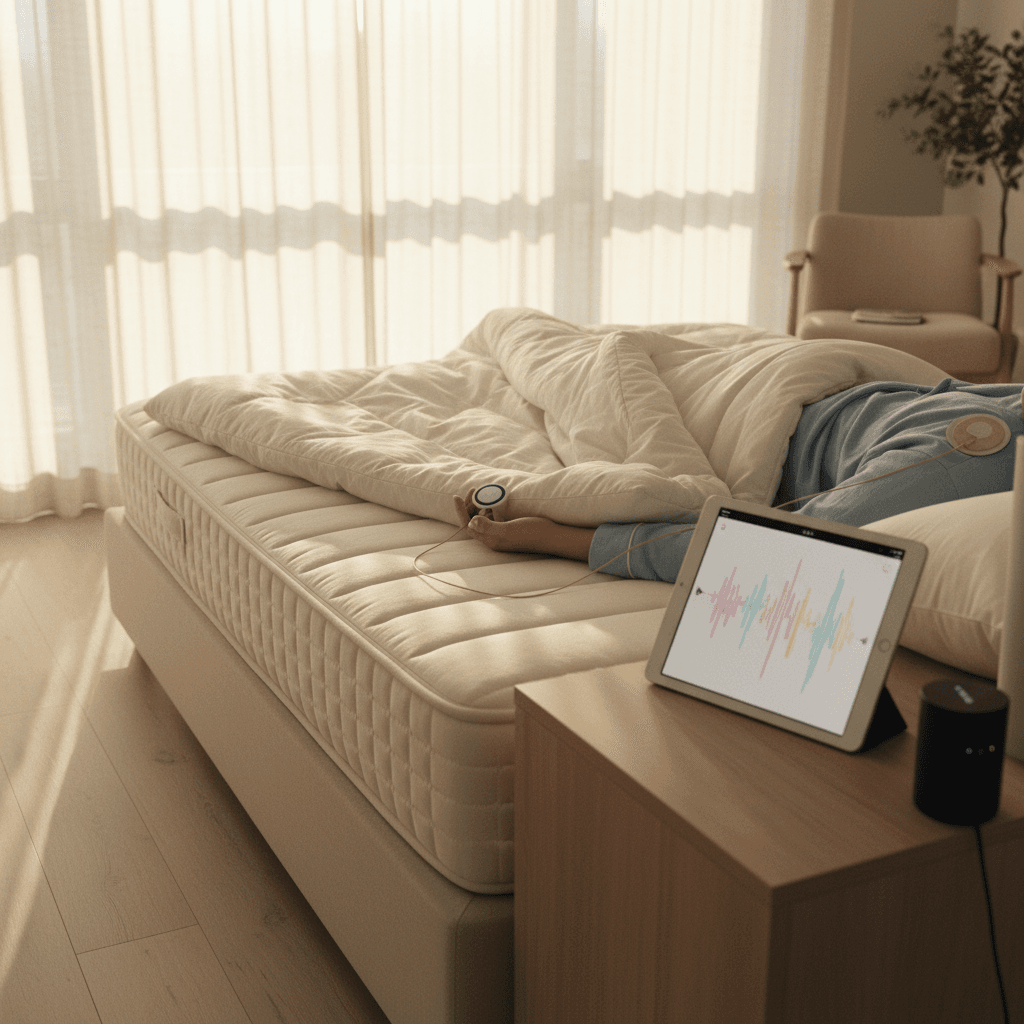

New At-Home Clinical Study Opens Opportunities for Idiopathic Hypersomnia Research
A new clinical research initiative is recruiting participants for an at-home study focused on idiopathic hypersomnia (IH), a rare sleep disorder that has historically received limited research attention compared to other sleep conditions. According to ClinicalConnection, this study aims to better understand the complex symptomatology of IH, including excessive daytime sleepiness, involuntary sleep episodes, and cognitive dysfunction commonly referred to as "brain fog."
Understanding Idiopathic Hypersomnia: A Clinical Perspective
Idiopathic hypersomnia represents a significant diagnostic and therapeutic challenge in sleep medicine. Unlike narcolepsy, which has seen expanded research opportunities including multi-site narcolepsy research expanding diverse patient enrollment, IH remains poorly understood with limited treatment options available to clinicians.
The disorder is characterized by:
- Excessive daytime sleepiness lasting at least three months
- Prolonged nighttime sleep (often 10+ hours) without feeling refreshed
- Sleep inertia with difficulty awakening
- Cognitive impairment affecting daily functioning
- Absence of cataplexy distinguishing it from narcolepsy
The Significance of At-Home Study Design
The at-home study format represents an innovative approach to sleep disorder research, offering several advantages for both participants and researchers:
Patient-Centric Benefits
- Reduced travel burden for patients with debilitating sleepiness
- Natural sleep environment providing more authentic data
- Improved accessibility for geographically dispersed populations
- Enhanced participant retention through convenience
Research Advantages
- Real-world evidence collection in patients' natural environments
- Cost-effective data gathering compared to traditional sleep lab studies
- Broader demographic reach for more representative samples
- Longitudinal monitoring capabilities
This approach aligns with broader trends in clinical research toward AI-powered real-world evidence and data quality driving clinical success, emphasizing the importance of collecting meaningful data outside traditional clinical settings.
Current Treatment Landscape and Research Gaps
The therapeutic landscape for idiopathic hypersomnia remains limited, with most treatments being off-label applications of medications developed for other conditions. This contrasts sharply with recent regulatory successes in other therapeutic areas, such as the FDA approval of Bizengri for ultra-rare bile duct cancer, highlighting the need for dedicated research in underserved patient populations.
Current Treatment Options
- Stimulants: Modafinil, armodafinil, methylphenidate
- Wake-promoting agents: Pitolisant (off-label)
- Sodium oxybate: Limited evidence in IH
- Lifestyle modifications: Sleep hygiene, scheduled naps
Implications for Clinical Research Professionals
Study Design Considerations
This at-home study model offers valuable insights for clinical research professionals designing future sleep disorder trials:
- Endpoint Selection: Home-based studies may better capture patient-reported outcomes and functional assessments
- Technology Integration: Wearable devices and mobile applications can provide continuous monitoring
- Regulatory Considerations: FDA guidance on digital endpoints and remote monitoring applies
- Data Quality: Robust protocols needed to ensure data integrity without direct supervision
Recruitment Strategies
The study's focus on diagnosed IH patients highlights the importance of:
- Physician referral networks for rare disease populations
- Patient advocacy group partnerships for outreach
- Digital recruitment platforms like ClinicalConnection
- Inclusive eligibility criteria to maximize enrollment
Regulatory and Development Pathway Considerations
For sponsors developing IH treatments, this study type provides valuable precedent for regulatory interactions. The FDA has increasingly recognized the value of real-world evidence and patient-reported outcomes, particularly for rare diseases where traditional randomized controlled trials may be challenging to conduct.
Key Development Considerations
- Biomarker development for objective IH measurement
- Patient-reported outcome measures specific to IH symptoms
- Regulatory pathway planning for rare disease designations
- Post-market surveillance using similar at-home methodologies
Future Research Directions
This study represents a critical step forward in IH research, potentially paving the way for:
- Improved diagnostic criteria based on real-world symptom patterns
- Novel therapeutic targets identified through comprehensive phenotyping
- Personalized treatment approaches based on individual symptom profiles
- Health economic data demonstrating disease burden
Conclusion
The launch of this at-home idiopathic hypersomnia study marks an important milestone in sleep disorder research, offering hope for improved understanding and treatment of this debilitating condition. For clinical research professionals, it demonstrates the potential of innovative study designs to address unmet medical needs in underserved patient populations.
As the pharmaceutical industry continues to explore rare disease opportunities and regulatory agencies embrace real-world evidence, studies like this one provide valuable frameworks for future research initiatives. The success of this approach could influence broader adoption of home-based studies across various therapeutic areas, ultimately benefiting both patients and the clinical research enterprise.
Source: ClinicalConnection - Recent Trials, Study #66539