Critical Device Recall Impacts Clinical Research Operations
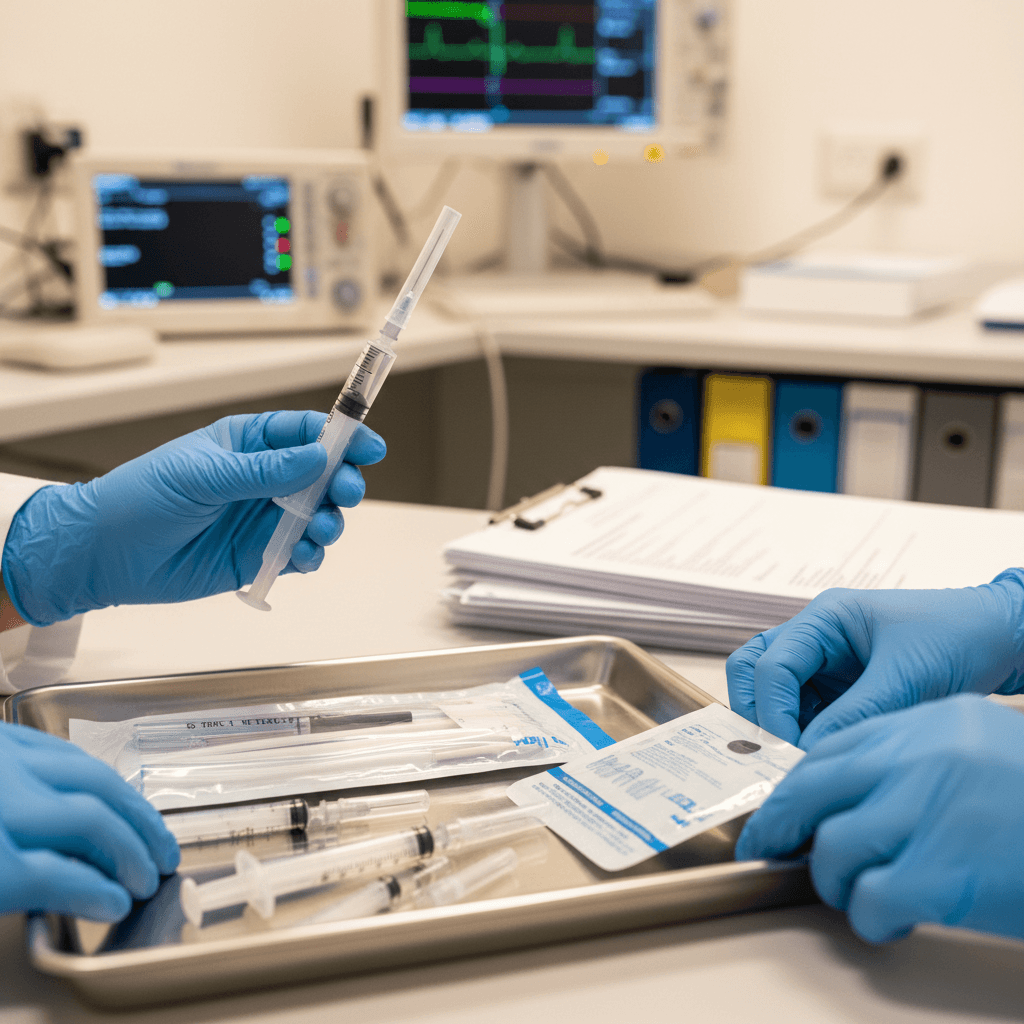
The FDA MedWatch safety alert system has issued a significant warning regarding AVID Medical's voluntary recall of convenience kits containing Namic RA syringes. This recall highlights a critical safety concern that could directly impact clinical research sites utilizing these devices in their operations.
Understanding the Safety Risk
According to the FDA alert, the primary concern centers on the adaptor component of the Namic RA syringes, which may unwind during use. This mechanical failure creates a cascade of potentially life-threatening complications:
- Loose connections or complete disconnections during critical procedures
- Risk of infection from compromised sterile barriers
- Blood loss due to system disconnection
- Air embolism - a particularly dangerous complication that can be fatal
For clinical research professionals, these risks are especially concerning given the precision required in research protocols and the vulnerability of study participants.
Implications for Clinical Research Sites
This recall serves as a critical reminder of the importance of robust supply chain management in clinical research. Similar to recent supply chain disruptions we've seen, such as the neurosurgical supply chain issues that impacted operating rooms, medical device recalls can significantly affect research operations.
Immediate Actions for Research Teams
Clinical research coordinators and site staff should take the following steps:
- Inventory Assessment: Immediately check all medical supplies for affected AVID Medical convenience kits
- Protocol Review: Assess which ongoing studies might be impacted by device substitution
- Vendor Communication: Contact medical supply vendors to ensure replacement devices meet study protocol specifications
- Documentation: Maintain detailed records of any device changes for regulatory compliance
Regulatory Context and Industry Impact
This recall occurs during a period of heightened FDA scrutiny across multiple sectors. The agency has been particularly active in addressing safety concerns, as evidenced by recent alerts including the B. Braun Lactated Ringer's recall due to particulate matter contamination.
The clinical research industry must remain vigilant about these safety alerts, especially as the FDA leadership landscape continues to evolve with potential policy implications.
Quality Assurance in Clinical Research
This incident underscores the critical importance of comprehensive quality assurance programs in clinical research settings. Research sites must establish robust procedures for:
Device Validation Protocols
- Regular equipment inspections before use
- Staff training on device malfunction recognition
- Emergency procedures for device failures during procedures
Supply Chain Management
- Vendor qualification and ongoing monitoring
- Alternative device identification and validation
- Regulatory compliance tracking for device changes
Patient Safety Considerations
For clinical research professionals, patient safety remains paramount. The risks associated with this device recall - infection, blood loss, and air embolism - represent serious adverse events that could compromise both participant safety and study integrity.
Research teams should review their adverse event reporting procedures to ensure any incidents related to medical device failures are properly documented and reported to both sponsors and regulatory authorities.
Moving Forward: Best Practices
This recall reinforces several best practices for clinical research operations:
- Proactive Monitoring: Establish systems to monitor FDA MedWatch alerts regularly
- Vendor Relationships: Maintain strong communication channels with medical device suppliers
- Staff Training: Ensure all clinical staff are trained to recognize and respond to device malfunctions
- Documentation Standards: Maintain comprehensive records of all medical devices used in research procedures
Conclusion
The AVID Medical convenience kit recall serves as a critical reminder of the complex safety considerations inherent in clinical research operations. As the industry continues to evolve with new technologies and regulatory frameworks, maintaining vigilance regarding device safety and supply chain integrity remains essential.
Clinical research professionals must stay informed about such safety alerts and implement robust procedures to protect participant safety while maintaining study integrity. This recall, reported through the FDA MedWatch system, demonstrates the importance of transparent safety communication within the healthcare and research communities.
Source: FDA MedWatch Safety Alerts - Convenience Kit Recall: AVID Medical Removes Convenience Kits Containing Namic RA Syringes